
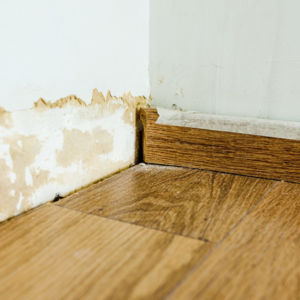
 Building and pest clauses are one of the most common conditions included in residential property contracts. They provide buyers with an opportunity to arrange inspections after signing the contract and before the agreement becomes unconditional.
For many buyers, these clauses provide reassurance that the property’s condition can be properly assessed before the purchase proceeds. However, the scope of these clauses is often misunderstood. Not every issue identified in an inspection report allows a buyer to terminate the contract or renegotiate the price.
Understanding how building and pest clauses operate, and what constitutes a major defect, is an important part of managing risk during a property purchase.
How Building and Pest Clauses Operate
A building and pest clause typically makes the contract conditional on the buyer obtaining inspection reports within a specified timeframe. During this period, the buyer arranges for licensed inspectors to assess the structural condition of the property and identify any pest activity or damage.
If the reports reveal significant issues, the clause may allow the buyer to terminate the contract or negotiate further with the seller. However, the rights available to the buyer depend on the exact wording of the clause.
Building and pest clauses generally involve several key elements:
- A set timeframe for obtaining inspection reports
- The requirement that inspections are carried out by qualified professionals
- A standard that determines whether defects are considered acceptable or not
- The process for giving notice if the buyer intends to terminate the contract
Because these clauses are time sensitive, buyers must act promptly to arrange inspections and obtain advice on the results.
What Counts as a Major Structural Defect?
One of the most common questions buyers ask is what qualifies as a major structural defect. Inspection reports often identify a wide range of issues, but not all of them will meet the threshold required under the contract.
Major structural defects generally involve problems that affect the integrity or safety of the building. These issues are usually serious enough that significant repair work would be required.
Examples can include:
- Structural movement or major cracking in foundations or walls
- Significant roof damage affecting the stability of the structure
- Major termite damage compromising structural timber
- Defects that create a serious safety risk to occupants
By contrast, many reports also identify minor maintenance issues. These may include worn fixtures, cosmetic damage or small repairs that are considered part of normal property upkeep. While these findings may still influence a buyer’s decision, they may not give rise to a contractual right to terminate.
The distinction between a major structural defect and a minor issue can sometimes be unclear, which is why legal advice can be important when reviewing inspection results.
When Termination or Renegotiation May Be Possible
If a building or pest report identifies serious defects, buyers may have several options depending on the contract terms. In some cases the buyer may be entitled to terminate the contract entirely. In others, the parties may attempt to renegotiate the purchase price or request that repairs be carried out before settlement.
The outcome often depends on the wording of the clause and the severity of the defects identified. Some clauses require defects to be “major” or “structural” before termination is permitted. Others may allow termination if the buyer is not satisfied with the report, provided the buyer acts reasonably.
Negotiations sometimes follow where defects are identified but the buyer still wishes to proceed. These discussions can involve price adjustments, repair agreements or other arrangements that address the issue.
Because these negotiations occur within strict contractual timeframes, obtaining legal advice quickly is important.
Acting Reasonably
In some States, the property does not need to have a major structural defect in order to grant the buyer a termination right. For example, in Queensland, the Buyer is merely required to action reasonably in exercising their right to terminate the Contract. It is therefore important for you to receive advice from a solicitor or conveyancer in relation to the terms of your building & pest inspection condition.
Common Disputes That Arise From Inspection Reports
Disagreements frequently arise when buyers and sellers interpret inspection reports differently. What one party considers a serious defect may be viewed by the other as routine maintenance.
For example, disputes may arise where a report identifies minor cracking or signs of previous termite activity. Buyers may interpret these findings as a reason to terminate, while sellers may argue that the issues do not meet the contractual definition of a major defect.
The same applies to whether the buyer is acting reasonably, with Queensland purchases. One person’s definition of “reasonable” is different to another’s, so it is important to receive advice on this point before signing a contract.
Another common issue occurs when buyers delay arranging inspections and run out of time under the contract. If notice is not given within the required period, the condition may be deemed satisfied and the contract may proceed regardless of the report findings.
These situations highlight the importance of acting promptly and understanding the contractual requirements.
The Role of Legal Advice in Managing Inspection Clauses
Building and pest clauses appear straightforward, but their practical application can be complex. A property lawyer can review the wording of the clause and explain the rights available to the buyer if defects are discovered.
Legal advice is particularly valuable when inspection reports raise concerns that fall somewhere between minor and major issues. In these situations, guidance can help determine whether termination is available, whether renegotiation is appropriate or whether further inspections should be obtained.
Early legal involvement also helps ensure that notices are issued correctly and within the required timeframe.
Final Thoughts
Building and pest clauses are an important safeguard for buyers, but they are not unlimited protections. The ability to terminate or renegotiate depends on the contract wording and the nature of the defects identified.
By arranging inspections promptly and obtaining legal advice when concerns arise, buyers can make informed decisions and manage risk during the property purchase process.