
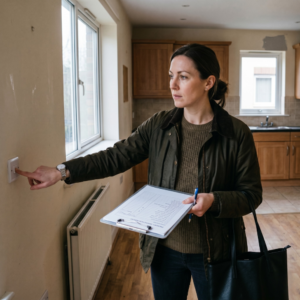
 The final inspection is one of the last steps in the property buying process, but it is often one of the most important. It provides buyers with an opportunity to confirm that the property is in the same condition as when the contract was signed and that any agreed items or repairs have been addressed.
Many buyers treat the final inspection as a formality. However, overlooking issues at this stage can lead to disputes or complications at settlement. Because settlement is usually only days away, there is limited time to resolve any problems that arise.
Understanding what the final inspection is designed to achieve, and how to approach it carefully, can help ensure a smoother transition to ownership.
What Is the Purpose of the Final Inspection?
The final inspection is not a general opportunity to reassess the property or renegotiate the purchase. Its purpose is to confirm that the seller has complied with the contract and that the property has not changed in a way that would affect the buyer’s position.
Buyers are generally entitled to inspect the property shortly before settlement to ensure that it remains in substantially the same condition as at the date of contract. This includes confirming that fixtures and inclusions are still present and that no new damage has occurred.
The inspection also provides an opportunity to check that any agreed repairs or works have been completed as required.
What Buyers Should Check During the Inspection
A structured approach to the final inspection helps ensure that nothing important is overlooked. Buyers should focus on both the condition of the property and the contractual obligations of the seller.
During the inspection, buyers should check:
- That the property is in the same condition as when first inspected
- That all agreed inclusions remain in place
- That any damage since signing has been addressed
- That repairs specified in the contract have been completed
- That appliances and fixtures are in working order where applicable
Taking notes and photographs during the inspection can assist if any issues need to be raised before settlement.
Common Issues That Arise Before Settlement
Even in well managed transactions, issues can arise during the final inspection. These are often minor, but they can still create complications if not addressed promptly.
For example, buyers may find that items included in the contract have been removed, or that damage has occurred during the seller’s move out process. In some cases, agreed repairs may not have been completed or may not meet the expected standard.
Timing can also be a challenge. If issues are identified shortly before settlement, there may be limited time to resolve them. This can create pressure for both parties, particularly where settlement is linked to other transactions.
In most cases, the goal is to resolve the issue without delaying settlement, but this depends on the nature of the problem and the willingness of the parties to reach an agreement.
What Buyers Can Do if Problems Are Identified
If an issue is identified during the final inspection, it is important to act quickly. The buyer’s legal representative should be notified as soon as possible so that appropriate steps can be taken.
Possible responses may include:
- Requesting that the seller rectify the issue before settlement
- Negotiating a financial adjustment to account for the problem
- Agreeing to proceed with settlement subject to a resolution
- In more serious cases, considering whether settlement should be delayed
The appropriate course of action will depend on the terms of the contract and the significance of the issue identified.
Why Legal Advice Is Important at This Stage
The final inspection occurs at a critical point in the transaction. Decisions made at this stage can affect settlement timing, financial outcomes and the buyer’s rights.
A property lawyer can assist by reviewing the issue in the context of the contract and advising on available options. They can also communicate with the seller’s representatives to negotiate a resolution that aligns with the buyer’s interests.
Because settlement is imminent, clear and prompt legal advice is essential. Delays in addressing issues can limit available options and increase the risk of disputes.
Final Thoughts
The final inspection is an important safeguard for buyers, providing an opportunity to confirm that the property meets the expectations set out in the contract. While many inspections proceed without issue, careful attention at this stage can prevent unnecessary complications.
By approaching the inspection methodically and seeking legal advice if concerns arise, buyers can proceed to settlement with greater confidence and clarity.